
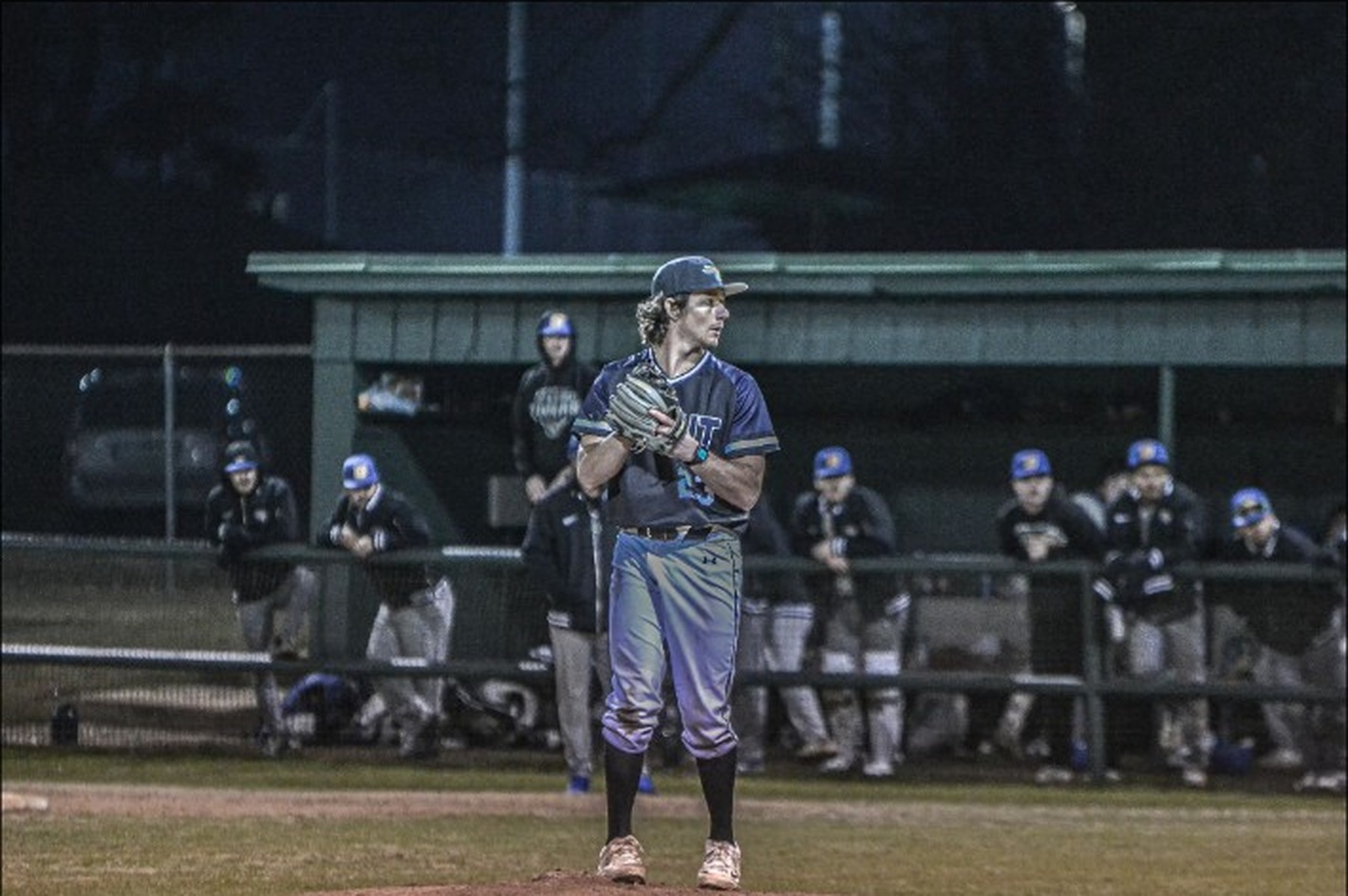
Train with someone who's done it
Tanner Duncan — Pitcher / Infielder / Catcher
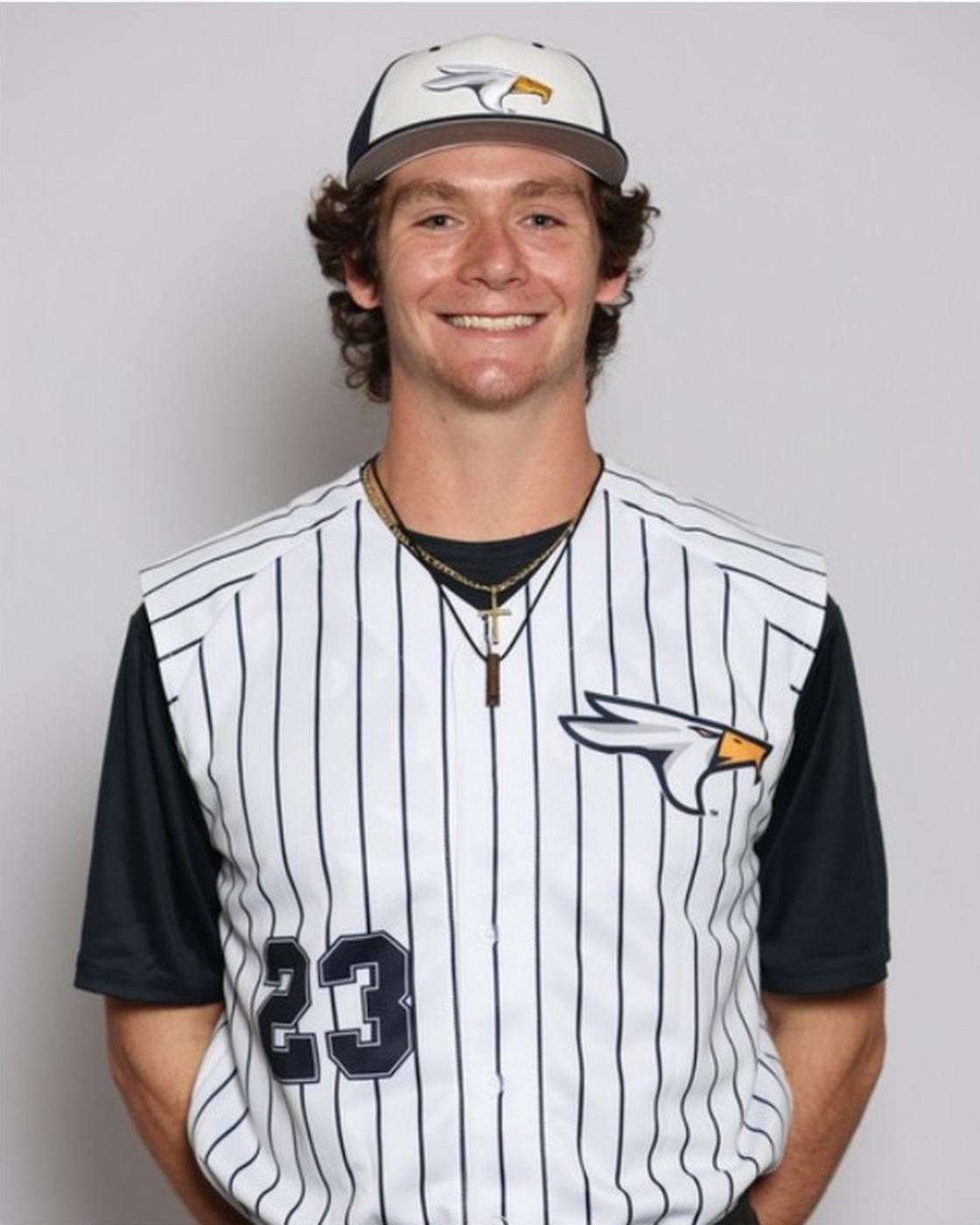
Meet Tanner
Train with someone who's done it.
Tanner Duncan is from Kennett, Missouri, and has played the game from three different sides of it — pitcher, infielder, and catcher.
He earned All-State recognition in high school, including once as a catcher, and went on to compete in college as a pitcher and infielder. That experience is what Tanner Duncan Baseball is built on: he now works directly with players to build stronger fundamentals, better habits, and a clearer understanding of the game.
- Hometown
- Kennett, MO
- Played
- P / INF / C
- Now
- Player development
Playing experience
Earned on the field.
Tanner Duncan brings experience across the field — from earning All-State recognition as a catcher in high school to competing as a collegiate pitcher and infielder.
High school
- 2×
- All-StateOne selection as a catcher
- 4×
- All-DistrictHigh school
- 4×
- All-ConferenceHigh school
Collegiate
- •
- All-ConferenceCollegiate
- •
- Pitcher of the WeekCollegiate
- 3×
- Player of the WeekCollegiate
Playing experience is where it starts — not where it stops. Tanner Duncan Baseball turns that experience into a structured development system: every athlete has a record, every session has a plan, progress is based on what a player can demonstrate, and the next objective is always clear.
The difference
More than another baseball lesson.
Players shouldn't have to start over every time they walk into a training session. Tanner Duncan Baseball follows a development pathway that helps Tanner understand what a player can already demonstrate, what they're currently developing, and what should come next.
See where they are
Training starts from what the player can actually do today.
Train what matters
Time goes to the skills that are next, not the same drill every week.
Know what comes next
The next development objective is always clear.
No overall player rating. No comparison to other kids. No promises about scholarships or future outcomes. Just development you can actually see.
Choose your focus
What part of your game are you ready to build?
Your selection carries into the Start Training form below.
Your team. Tanner's development system.
Bring your team to Tanner — or Tanner can come to you. One practice, a crash course, a multi-week development block, or season-long support. You keep coaching your team. Tanner helps you develop it.
Development pathway
A path that grows with the player.
Age helps us know where to start. Ability and development tell us where to go.
- 01
- 02
- 03
- 04
- 05
- 06
- 07
Players don't have to develop at exactly the same speed. A hitter can be at one level while the same player's fielding is at another. That's normal.
Seven parts of the player
We don't develop one part of the game.
The Tanner Duncan Baseball pathway follows development across the parts of baseball that combine to make a complete player.
Hitting
Swing, contact, and approach at the plate.
Throwing / Pitching
Arm action, accuracy, and pitching mechanics.
Fielding
Glove work, footwork, and clean actions.
Baserunning
Leads, reads, jumps, and turns.
Baseball IQ
Situations, reads, and decisions.
Athletic Development
Movement, strength, and coordination.
Competition / Mindset
Competing, focus, and response to mistakes.
How training works
Train with a purpose.
Tanner identifies where the player currently is.
Training focuses on the skills that matter next.
Progress is based on what the player can actually demonstrate.
The next development objective becomes clear.
These describe baseball skills — not a player's worth or potential.
For parents
Know what your player is working toward.
Baseball development shouldn't disappear the moment a lesson ends. Parents can receive appropriate visibility into what their player has been working on, what they've demonstrated, and what Tanner is developing next.
Powered by Tap InA short, factual note from Tanner after each session.
Illustration of the parent development view. No player information is shown here.
School-year training
The season ends.Development doesn't have to.
Consistent work throughout the school year gives players time to build instead of waiting until the next tryout, practice, or season to figure out what needs attention.
Start training
Let's find the right place to start.
Tell Tanner a little about your player. This isn't an evaluation — it's simply the beginning of the conversation.
What would the player most like to work on?
Tanner Duncan Baseball
Build the player.Develop the game.
Powered by Tap In